Independent cricket education · India · Adults 18+ · No guaranteed winnings
Match desk
Home / Fantasy Cricket Tips
sport field guide

Fantasy Cricket Tips

Strong tips improve the questions you ask; they do not promise winnings. This guide focuses on turning broad advice into repeatable decisions. It explains the evidence to collect, the order in which to use it, the mistakes that weaken the conclusion, and the point at which a reader should stop and verify more information. This guide focuses on turning broad advice into repeatable decisions. It explains the evidence to collect, the order in which to use it, the mistakes that weaken the conclusion, and the point at which a reader should stop and verify more information. This guide focuses on turning broad advice into repeatable decisions. It explains the evidence to collect, the order in which to use it, the mistakes that weaken the conclusion, and the point at which a reader should stop and verify more information. This guide focuses on turning broad advice into repeatable decisions. It explains the evidence to collect, the order in which to use it, the mistakes that weaken the conclusion, and the point at which a reader should stop and verify more information.

Published by: COME Editorial DeskReviewed by: Standards EditorUpdated: 12 July 2026Policy: Sources, corrections and responsible play
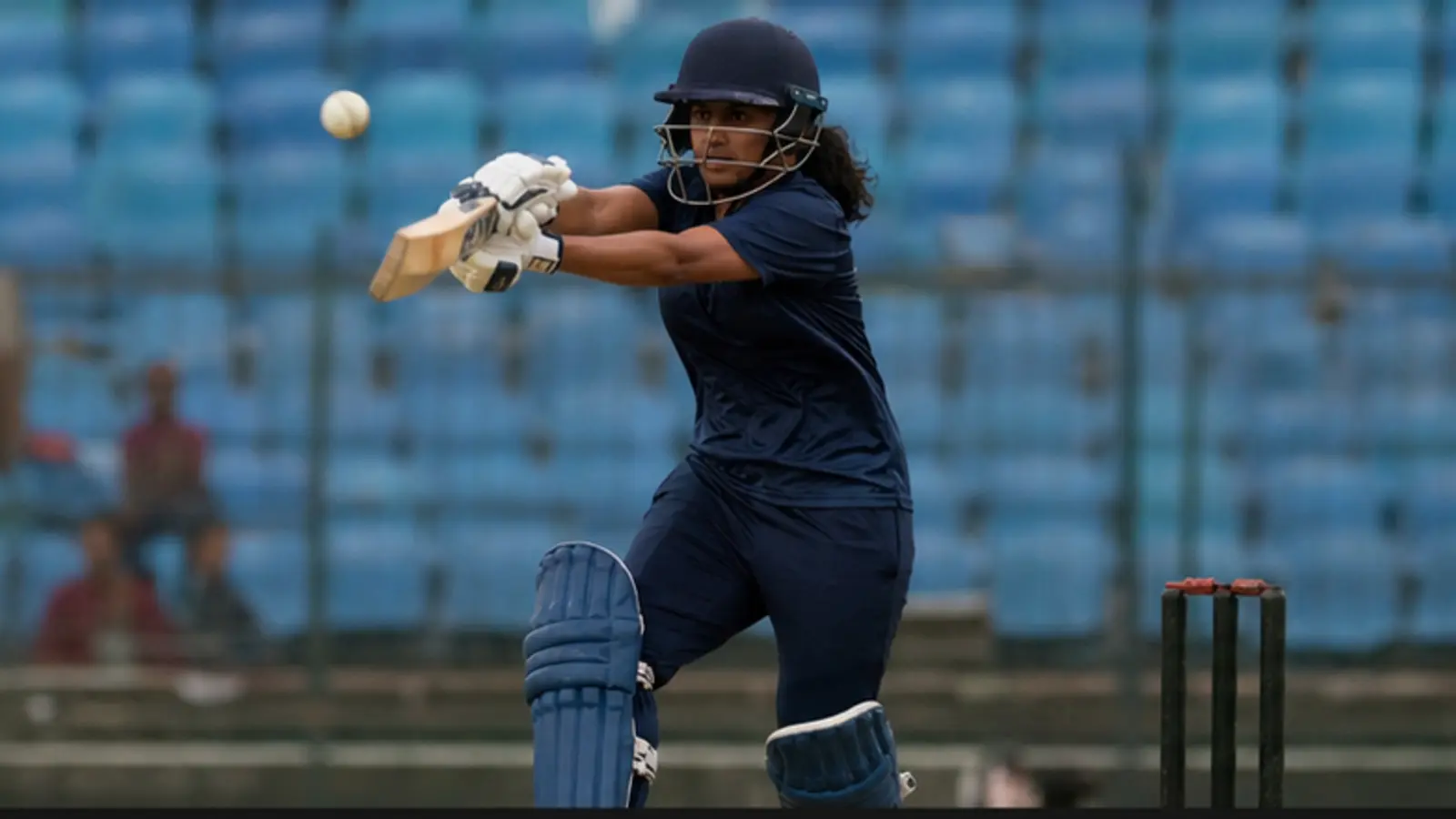
Fantasy Cricket Tips banner
Strong tips improve the questions you ask; they do not promise winnings. This guide focuses on turning broad advice into repeatable decisions. It explains the evidence to collect, the order in which to use it, the mistakes that weaken the conclusion, and the point at which a reader should stop and verify more information. This guide focuses on turning broad advice into repeatable decisions. It explains the evidence to collect, the order in which to use it, the mistakes that weaken the conclusion, and the point at which a reader should stop and verify more information. This guide focuses on turning broad advice into repeatable decisions. It explains the evidence to collect, the order in which to use it, the mistakes that weaken the conclusion, and the point at which a reader should stop and verify more information.
Chapter 01

The direct answer

Start by defining the decision the reader must make. turning broad advice into repeatable decisions depends on role stability, ball access, and overs expectation; none of those inputs should be replaced by a promotional claim. The page is useful when it shows where the evidence came from, when it was checked, and what would change the conclusion. In practice, that means treating matchup mechanism as context rather than certainty and keeping ownership context visible as a limit. A low-owned powerplay bowler is a reasoned differential when swing is available and the opening matchup is vulnerable. Low ownership alone does not make the same bowler a good pick on a flat surface.

Chapter 02

What evidence deserves weight

Not every available data point has the same value. For this topic, role stability is normally stronger than a recycled social post, while ball access helps explain current opportunity. overs expectation becomes meaningful only when it is comparable to the present situation. Readers should also inspect matchup mechanism and ownership context, because both can expose a hidden condition. The goal is not to collect more tabs; it is to collect the smallest set of current facts that can change the decision.

For turning broad advice into repeatable decisions, the primary evidence set is: role stability, ball access, overs expectation, matchup mechanism, ownership context, downside scenario. These inputs should be dated and attributed where possible. When two sources conflict, prefer the source closest to the event or service and explain the conflict rather than silently choosing the convenient version.

Fantasy Cricket Tips — What evidence deserves weight
Not every available data point has the same value. For this topic, role stability is normally stronger than a recycled social post, while ball access
Chapter 03

A practical workflow

A repeatable process reduces errors made under time pressure. First, state the tip’s purpose. Next, link it to a role. Then, test conditions. Only after those checks should the reader define when it fails. Before acting, apply contest context; finally, review after play. Each step has a clear stopping point. If a required input cannot be verified, the safe response is to label the uncertainty or pause, not invent a number that makes the page look complete.

  1. Step 1: State the tip’s purpose. Write down the result before moving forward.
  2. Step 2: Link it to a role. Write down the result before moving forward.
  3. Step 3: Test conditions. Write down the result before moving forward.
  4. Step 4: Define when it fails. Write down the result before moving forward.
  5. Step 5: Apply contest context. Write down the result before moving forward.
  6. Step 6: Review after play. Write down the result before moving forward.
Chapter 04

How to compare alternatives

Comparison should use the same frame on both sides. Measure each option against role stability, ball access, and overs expectation, then document the trade-off created by matchup mechanism. A stronger headline is not stronger evidence. Likewise, a recent outcome is not automatically repeatable. The comparison becomes actionable when the reader can explain why one option fits the current objective, what downside remains, and which new fact would reverse the choice.

InputQuestionDecision use
Role StabilityIs this current and attributable?Use only if it changes turning broad advice into repeatable decisions.
Ball AccessIs this current and attributable?Use only if it changes turning broad advice into repeatable decisions.
Overs ExpectationIs this current and attributable?Use only if it changes turning broad advice into repeatable decisions.
Matchup MechanismIs this current and attributable?Use only if it changes turning broad advice into repeatable decisions.
Chapter 05

A realistic example

A low-owned powerplay bowler is a reasoned differential when swing is available and the opening matchup is vulnerable. Low ownership alone does not make the same bowler a good pick on a flat surface. The lesson is broader than the example: identify the mechanism that creates the advantage. If the mechanism disappears, the conclusion should change. If it remains, one poor outcome does not automatically make the process wrong. Record the assumption before the event so review is based on what was knowable at the time rather than hindsight.

Fantasy Cricket Tips — A realistic example
A low-owned powerplay bowler is a reasoned differential when swing is available and the opening matchup is vulnerable. Low ownership alone does not ma
Chapter 06

Common failure patterns

The most frequent errors are writing player-name tips with no reasoning, calling every low-owned player a differential, and using tiny samples. Two quieter problems are ignoring failure modes and presenting tips as guarantees. These mistakes often share one cause: the reader acts before defining what would count as reliable evidence. A short written checklist is more useful than a last-minute burst of research, because it prevents the same avoidable error from returning under a different player name, product claim, or legal question.

  • Writing player-name tips with no reasoning: identify the warning sign and the corrective action.
  • Calling every low-owned player a differential: identify the warning sign and the corrective action.
  • Using tiny samples: identify the warning sign and the corrective action.
  • Ignoring failure modes: identify the warning sign and the corrective action.
  • Presenting tips as guarantees: identify the warning sign and the corrective action.
Chapter 07

Timing and updates

Time-sensitive information needs an expiry point. role stability, ball access, or overs expectation may change after the page is published, so the updated date should be visible and material changes should be explained. Silent edits make it impossible to audit the original decision. A responsible update keeps the previous assumption in context, states the new evidence, and changes only the parts of the conclusion affected by that evidence.

Fantasy Cricket Tips — Timing and updates
Time-sensitive information needs an expiry point. role stability, ball access, or overs expectation may change after the page is published, so the upd
Chapter 08

Reader protection

The page should leave the reader with more control, not more urgency. Verify matchup mechanism, protect personal and payment credentials, and avoid any promise of guaranteed winnings. Adults using third-party paid fantasy services should set a fixed entertainment budget before opening a contest. A bonus, prediction, support message, or successful previous result is never a reason to borrow money, chase losses, or bypass a security warning.

Decision checklist

Before you close this guide

01

Role Stability

Confirm the current evidence, record the source and state how it affects turning broad advice into repeatable decisions.

02

Ball Access

Confirm the current evidence, record the source and state how it affects turning broad advice into repeatable decisions.

03

Overs Expectation

Confirm the current evidence, record the source and state how it affects turning broad advice into repeatable decisions.

04

Matchup Mechanism

Confirm the current evidence, record the source and state how it affects turning broad advice into repeatable decisions.

05

Ownership Context

Confirm the current evidence, record the source and state how it affects turning broad advice into repeatable decisions.

06

Downside Scenario

Confirm the current evidence, record the source and state how it affects turning broad advice into repeatable decisions.

Intent-specific field notes

Six working notes for turning broad advice into repeatable decisions

Each note connects one input to a concrete action and a page-specific failure mode.

01

Role Stability

A second reader should be able to reproduce the check around role stability. Leave the source trail, then state the tip’s purpose. If the process relies on writing player-name tips with no reasoning, the result may look complete while remaining impossible to verify independently.

02

Ball Access

Use ball access to narrow uncertainty rather than erase it. The disciplined response is to link it to a role, publish the remaining limitation and avoid calling every low-owned player a differential. That produces a more useful explanation of turning broad advice into repeatable decisions than a single unsupported verdict.

03

Overs Expectation

Before assigning weight to overs expectation, compare it with the page date and the current user objective. Continue by choosing to test conditions. A common shortcut is using tiny samples; the shortcut should be named because readers otherwise repeat it under a different label.

04

Matchup Mechanism

The reader-facing question for matchup mechanism is simple: what changes if this input is wrong? Answer it, then define when it fails. Where the downside includes ignoring failure modes, reduce confidence and offer a verification route rather than a stronger call to action.

05

Ownership Context

Document ownership context in plain language so a beginner understands why it belongs here. The action step is to apply contest context. Contrast that with presenting tips as guarantees, which often sounds efficient but strips away the context needed for a responsible decision.

06

Downside Scenario

Finish the check on downside scenario by stating the result, source and expiry point. From there, review after play. This makes turning broad advice into repeatable decisions reviewable after the event and prevents writing player-name tips with no reasoning from being hidden by a favourable outcome.

Scenario drills

Ten ways to test turning broad advice into repeatable decisions

These drills use this page’s own evidence set and error model; they are not shared generic advice.

Scenario 01

Mobile decision: Role Stability

If two reliable sources disagree about role stability, do not average them into a false precision. Compare their timestamps and definitions against overs expectation, then link it to a role. Publish the disagreement when it materially affects turning broad advice into repeatable decisions.

Scenario 02

False-positive test: Ball Access

A promotional or popular claim may highlight ball access and omit matchup mechanism. Reconstruct the missing condition, choose to test conditions, and calculate the downside before presenting a call to action. The omission is especially serious when it encourages presenting tips as guarantees.

Scenario 03

Escalation point: Overs Expectation

Decide who owns the next action when overs expectation cannot be confirmed. The page can direct the reader to a primary source, support route, or current rule for ownership context; after that, define when it fails. It should never fill the gap through writing player-name tips with no reasoning.

Scenario 04

Final review: Matchup Mechanism

Close the scenario by recording matchup mechanism, downside scenario, the source date and the reason to apply contest context. A future editor should be able to reproduce the conclusion without knowing the result. If not, the page remains vulnerable to calling every low-owned player a differential.

Scenario 05

Opening test: Ownership Context

Imagine ownership context looks favourable while role stability remains unverified. The correct sequence is to review after play, state the gap and postpone any conclusion that depends on the missing input. This prevents using tiny samples from turning a partial signal into a complete claim.

Scenario 06

Source conflict: Downside Scenario

A reader challenges the page because downside scenario changed after publication. Re-open the original source, compare ball access, and decide whether to state the tip’s purpose. Preserve the old timestamp in the correction note so the revision cannot be mistaken for the original view.

Scenario 07

Late update: Role Stability

On a small mobile screen the reader notices role stability but misses overs expectation. Put the decision-critical limitation next to the claim, then ask the reader to link it to a role. That presentation directly reduces the risk of presenting tips as guarantees.

Scenario 08

Downside check: Ball Access

Test the opposite conclusion: assume ball access is weaker than expected and matchup mechanism carries more weight. If the page still reaches the same verdict without choosing to test conditions, the reasoning may be anchored. Rewrite the decision path before publishing.

Scenario 09

Beginner question: Overs Expectation

For an inexperienced reader, define overs expectation before introducing ownership context. Give one concrete example, then instruct the reader to define when it fails. Avoid calling every low-owned player a differential; it rewards familiarity with jargon rather than understanding of the decision.

Scenario 10

Audit replay: Matchup Mechanism

During review, hide the final outcome and inspect only matchup mechanism, downside scenario, and the recorded time. Ask whether the analyst had enough evidence to apply contest context. This blind replay is a practical defence against using tiny samples.

Evidence cross-check matrix

How this page’s inputs interact

Each pairing tests a different dependency inside turning broad advice into repeatable decisions. The matrix prevents one attractive input from being read in isolation.

Cross-check 01

Role Stability × Ball Access

Role Stability frames one side of turning broad advice into repeatable decisions; ball access tests the other. When role stability becomes uncertain, choose to state the tip’s purpose before using ball access. When ball access changes first, choose to link it to a role and re-state the effect on turning broad advice into repeatable decisions. The role stability–ball access relationship also exposes two errors: writing player-name tips with no reasoning can distort role stability, while calling every low-owned player a differential can distort ball access. Keep the role stability source beside the ball access source, compare their timestamps, and record which one actually changed the decision. This paired check turns role stability and ball access into an auditable mechanism rather than two disconnected facts.

Cross-check 02

Role Stability × Overs Expectation

Role Stability frames one side of turning broad advice into repeatable decisions; overs expectation tests the other. When role stability becomes uncertain, choose to state the tip’s purpose before using overs expectation. When overs expectation changes first, choose to test conditions and re-state the effect on turning broad advice into repeatable decisions. The role stability–overs expectation relationship also exposes two errors: writing player-name tips with no reasoning can distort role stability, while using tiny samples can distort overs expectation. Keep the role stability source beside the overs expectation source, compare their timestamps, and record which one actually changed the decision. This paired check turns role stability and overs expectation into an auditable mechanism rather than two disconnected facts.

Cross-check 03

Role Stability × Matchup Mechanism

Role Stability frames one side of turning broad advice into repeatable decisions; matchup mechanism tests the other. When role stability becomes uncertain, choose to state the tip’s purpose before using matchup mechanism. When matchup mechanism changes first, choose to define when it fails and re-state the effect on turning broad advice into repeatable decisions. The role stability–matchup mechanism relationship also exposes two errors: writing player-name tips with no reasoning can distort role stability, while ignoring failure modes can distort matchup mechanism. Keep the role stability source beside the matchup mechanism source, compare their timestamps, and record which one actually changed the decision. This paired check turns role stability and matchup mechanism into an auditable mechanism rather than two disconnected facts.

Cross-check 04

Role Stability × Ownership Context

Role Stability frames one side of turning broad advice into repeatable decisions; ownership context tests the other. When role stability becomes uncertain, choose to state the tip’s purpose before using ownership context. When ownership context changes first, choose to apply contest context and re-state the effect on turning broad advice into repeatable decisions. The role stability–ownership context relationship also exposes two errors: writing player-name tips with no reasoning can distort role stability, while presenting tips as guarantees can distort ownership context. Keep the role stability source beside the ownership context source, compare their timestamps, and record which one actually changed the decision. This paired check turns role stability and ownership context into an auditable mechanism rather than two disconnected facts.

Cross-check 05

Role Stability × Downside Scenario

Role Stability frames one side of turning broad advice into repeatable decisions; downside scenario tests the other. When role stability becomes uncertain, choose to state the tip’s purpose before using downside scenario. When downside scenario changes first, choose to review after play and re-state the effect on turning broad advice into repeatable decisions. The role stability–downside scenario relationship also exposes two errors: writing player-name tips with no reasoning can distort role stability, while writing player-name tips with no reasoning can distort downside scenario. Keep the role stability source beside the downside scenario source, compare their timestamps, and record which one actually changed the decision. This paired check turns role stability and downside scenario into an auditable mechanism rather than two disconnected facts.

Cross-check 06

Ball Access × Overs Expectation

Ball Access frames one side of turning broad advice into repeatable decisions; overs expectation tests the other. When ball access becomes uncertain, choose to link it to a role before using overs expectation. When overs expectation changes first, choose to test conditions and re-state the effect on turning broad advice into repeatable decisions. The ball access–overs expectation relationship also exposes two errors: calling every low-owned player a differential can distort ball access, while using tiny samples can distort overs expectation. Keep the ball access source beside the overs expectation source, compare their timestamps, and record which one actually changed the decision. This paired check turns ball access and overs expectation into an auditable mechanism rather than two disconnected facts.

Cross-check 07

Ball Access × Matchup Mechanism

Ball Access frames one side of turning broad advice into repeatable decisions; matchup mechanism tests the other. When ball access becomes uncertain, choose to link it to a role before using matchup mechanism. When matchup mechanism changes first, choose to define when it fails and re-state the effect on turning broad advice into repeatable decisions. The ball access–matchup mechanism relationship also exposes two errors: calling every low-owned player a differential can distort ball access, while ignoring failure modes can distort matchup mechanism. Keep the ball access source beside the matchup mechanism source, compare their timestamps, and record which one actually changed the decision. This paired check turns ball access and matchup mechanism into an auditable mechanism rather than two disconnected facts.

Cross-check 08

Ball Access × Ownership Context

Ball Access frames one side of turning broad advice into repeatable decisions; ownership context tests the other. When ball access becomes uncertain, choose to link it to a role before using ownership context. When ownership context changes first, choose to apply contest context and re-state the effect on turning broad advice into repeatable decisions. The ball access–ownership context relationship also exposes two errors: calling every low-owned player a differential can distort ball access, while presenting tips as guarantees can distort ownership context. Keep the ball access source beside the ownership context source, compare their timestamps, and record which one actually changed the decision. This paired check turns ball access and ownership context into an auditable mechanism rather than two disconnected facts.

Cross-check 09

Ball Access × Downside Scenario

Ball Access frames one side of turning broad advice into repeatable decisions; downside scenario tests the other. When ball access becomes uncertain, choose to link it to a role before using downside scenario. When downside scenario changes first, choose to review after play and re-state the effect on turning broad advice into repeatable decisions. The ball access–downside scenario relationship also exposes two errors: calling every low-owned player a differential can distort ball access, while writing player-name tips with no reasoning can distort downside scenario. Keep the ball access source beside the downside scenario source, compare their timestamps, and record which one actually changed the decision. This paired check turns ball access and downside scenario into an auditable mechanism rather than two disconnected facts.

Cross-check 10

Overs Expectation × Matchup Mechanism

Overs Expectation frames one side of turning broad advice into repeatable decisions; matchup mechanism tests the other. When overs expectation becomes uncertain, choose to test conditions before using matchup mechanism. When matchup mechanism changes first, choose to define when it fails and re-state the effect on turning broad advice into repeatable decisions. The overs expectation–matchup mechanism relationship also exposes two errors: using tiny samples can distort overs expectation, while ignoring failure modes can distort matchup mechanism. Keep the overs expectation source beside the matchup mechanism source, compare their timestamps, and record which one actually changed the decision. This paired check turns overs expectation and matchup mechanism into an auditable mechanism rather than two disconnected facts.

Cross-check 11

Overs Expectation × Ownership Context

Overs Expectation frames one side of turning broad advice into repeatable decisions; ownership context tests the other. When overs expectation becomes uncertain, choose to test conditions before using ownership context. When ownership context changes first, choose to apply contest context and re-state the effect on turning broad advice into repeatable decisions. The overs expectation–ownership context relationship also exposes two errors: using tiny samples can distort overs expectation, while presenting tips as guarantees can distort ownership context. Keep the overs expectation source beside the ownership context source, compare their timestamps, and record which one actually changed the decision. This paired check turns overs expectation and ownership context into an auditable mechanism rather than two disconnected facts.

Cross-check 12

Overs Expectation × Downside Scenario

Overs Expectation frames one side of turning broad advice into repeatable decisions; downside scenario tests the other. When overs expectation becomes uncertain, choose to test conditions before using downside scenario. When downside scenario changes first, choose to review after play and re-state the effect on turning broad advice into repeatable decisions. The overs expectation–downside scenario relationship also exposes two errors: using tiny samples can distort overs expectation, while writing player-name tips with no reasoning can distort downside scenario. Keep the overs expectation source beside the downside scenario source, compare their timestamps, and record which one actually changed the decision. This paired check turns overs expectation and downside scenario into an auditable mechanism rather than two disconnected facts.

Cross-check 13

Matchup Mechanism × Ownership Context

Matchup Mechanism frames one side of turning broad advice into repeatable decisions; ownership context tests the other. When matchup mechanism becomes uncertain, choose to define when it fails before using ownership context. When ownership context changes first, choose to apply contest context and re-state the effect on turning broad advice into repeatable decisions. The matchup mechanism–ownership context relationship also exposes two errors: ignoring failure modes can distort matchup mechanism, while presenting tips as guarantees can distort ownership context. Keep the matchup mechanism source beside the ownership context source, compare their timestamps, and record which one actually changed the decision. This paired check turns matchup mechanism and ownership context into an auditable mechanism rather than two disconnected facts.

Cross-check 14

Matchup Mechanism × Downside Scenario

Matchup Mechanism frames one side of turning broad advice into repeatable decisions; downside scenario tests the other. When matchup mechanism becomes uncertain, choose to define when it fails before using downside scenario. When downside scenario changes first, choose to review after play and re-state the effect on turning broad advice into repeatable decisions. The matchup mechanism–downside scenario relationship also exposes two errors: ignoring failure modes can distort matchup mechanism, while writing player-name tips with no reasoning can distort downside scenario. Keep the matchup mechanism source beside the downside scenario source, compare their timestamps, and record which one actually changed the decision. This paired check turns matchup mechanism and downside scenario into an auditable mechanism rather than two disconnected facts.

Cross-check 15

Ownership Context × Downside Scenario

Ownership Context frames one side of turning broad advice into repeatable decisions; downside scenario tests the other. When ownership context becomes uncertain, choose to apply contest context before using downside scenario. When downside scenario changes first, choose to review after play and re-state the effect on turning broad advice into repeatable decisions. The ownership context–downside scenario relationship also exposes two errors: presenting tips as guarantees can distort ownership context, while writing player-name tips with no reasoning can distort downside scenario. Keep the ownership context source beside the downside scenario source, compare their timestamps, and record which one actually changed the decision. This paired check turns ownership context and downside scenario into an auditable mechanism rather than two disconnected facts.

Working glossary

Terms used in this guide

These definitions keep the page focused on its own search intent and prevent similar-sounding concepts from being merged.

Role Stability

On this page, role stability means a current input used to evaluate turning broad advice into repeatable decisions. It should be sourced, time-stamped and reviewed whenever the surrounding conditions change.

Ball Access

On this page, ball access means a current input used to evaluate turning broad advice into repeatable decisions. It should be sourced, time-stamped and reviewed whenever the surrounding conditions change.

Overs Expectation

On this page, overs expectation means a current input used to evaluate turning broad advice into repeatable decisions. It should be sourced, time-stamped and reviewed whenever the surrounding conditions change.

Matchup Mechanism

On this page, matchup mechanism means a current input used to evaluate turning broad advice into repeatable decisions. It should be sourced, time-stamped and reviewed whenever the surrounding conditions change.

Ownership Context

On this page, ownership context means a current input used to evaluate turning broad advice into repeatable decisions. It should be sourced, time-stamped and reviewed whenever the surrounding conditions change.

Downside Scenario

On this page, downside scenario means a current input used to evaluate turning broad advice into repeatable decisions. It should be sourced, time-stamped and reviewed whenever the surrounding conditions change.

Specific FAQ

Questions about turning broad advice into repeatable decisions

What matters most when turning broad advice into repeatable decisions?

Start with role stability, then compare ball access and overs expectation. The conclusion should change when those inputs change.

When should this sport page be updated?

Update it when matchup mechanism, ownership context, or another material input changes. Show the date and explain the revision.

What should a beginner avoid?

Avoid writing player-name tips with no reasoning, calling every low-owned player a differential, and any claim of guaranteed winnings.

Can one successful outcome prove the method?

No. Review the quality of the information and reasoning across a meaningful sample.

What happens when information cannot be verified?

Label it unknown, provide the safest next verification step, and do not invent a convenient fact.

How does responsible play apply?

Keep spending optional, set a fixed entertainment limit, never borrow, and pause when play causes stress or chasing behaviour.

Use the evidence, then decide

Keep the process visible, the claim proportionate and the downside controlled.

Browse related guides
Play now